True Colours - Culori adevarate
The song "True Colors," a powerful ballad about acceptance and self-discovery, has been interpreted by various artists, each bringing their unique vocal stylings and emotional depth to the piece. While the song is most famously associated with Cyndi Lauper, its message of embracing individuality and offering support in times of darkness has resonated with artists across genres, leading to diverse interpretations that explore the core themes of the song in compelling ways.
Cyndi Lauper's version of "True Colors," released in 1986, stands as the definitive rendition. Her distinctive voice, characterized by its raw vulnerability and emotive power, imbues the lyrics with a sense of empathy and understanding. Lauper's interpretation speaks directly to those struggling with self-acceptance or facing adversity, offering a beacon of hope and a promise of unwavering support. The song's simple yet profound message, coupled with Lauper's poignant delivery, transformed it into an anthem for the LGBTQ+ community and a symbol of universal acceptance.
Phil Collins, known for his signature drumming and emotive vocals, also recorded a version of "True Colors." While staying true to the original melody and sentiment, Collins infuses the song with his trademark pop-rock sensibility. His rendition leans towards a more polished and mainstream sound, emphasizing the song's uplifting message of hope and resilience. Collins' interpretation offers a broader appeal, reaching a wider audience and reinforcing the song's enduring message of acceptance.
Justin Timberlake, a versatile artist known for his soulful vocals and contemporary R&B influences, offers a more modern interpretation of "True Colors." Timberlake's version incorporates elements of his signature sound, blending soulful vocals with subtle electronic textures. His rendition retains the song's core message of acceptance while adding a contemporary twist, making it relevant to a new generation of listeners. Timberlake's interpretation showcases the song's adaptability and enduring appeal.
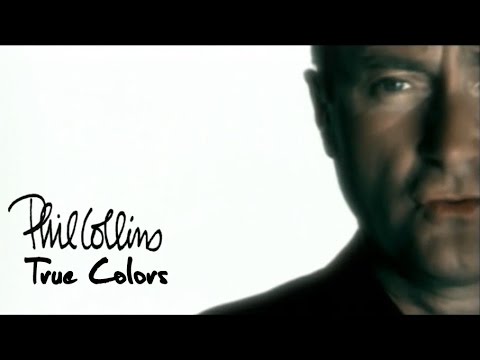
Phil Collins - True Colors

Cyndi Lauper - True Colors

Justin Timberlake - True Colors
While each artist brings their unique style to "True Colors," the underlying message of acceptance and self-love remains consistent. Whether it's Lauper's raw vulnerability, Collins' polished sound, or Timberlake's contemporary interpretation, the song continues to resonate with audiences seeking comfort, understanding, and a reminder that their true selves are worthy of love and acceptance.
The song's enduring popularity speaks to the universality of its message. Regardless of background, identity, or personal struggles, "True Colors" offers a message of hope and acceptance that transcends boundaries and resonates with individuals seeking solace and support. It serves as a reminder that true beauty lies in authenticity and that embracing one's true colors is essential for personal growth and fulfillment.
"True Colors," in its various interpretations, stands as a testament to the power of music to unite and inspire. It serves as a reminder that even in the darkest of times, hope and acceptance are always within reach. The song's enduring legacy lies in its ability to offer comfort, encouragement, and a celebration of individuality, making it a timeless anthem for self-acceptance and unconditional love.
Ultimately, "True Colors" is more than just a song; it's a powerful message of hope, acceptance, and self-discovery that continues to resonate with audiences across generations and backgrounds. Each artist who has interpreted the song has contributed to its enduring legacy, ensuring that its message of embracing one's true colors remains a beacon of light for those seeking solace and support.